
You pushed through the pain during practice. Now your knee won’t cooperate, or your shoulder locks up every time you lift your arm. Sports injuries don’t care about your schedule. What matters is getting the right care quickly, and sports injury physiotherapy in South Kolkata is more accessible than most athletes realise. This guide covers common sports injuries, how physiotherapy treats them, what you can do at home between sessions, and when it’s time to stop waiting and book an appointment.
Common Sports Injuries Seen in South Kolkata
Footballers come in with ankle sprains. Swimmers arrive with rotator cuff strain. Runners show up months after their knee first started grinding because they hoped it would sort itself out. The most frequent presentations at physiotherapy clinics in South Kolkata include ligament tears, muscle strains, shin splints, tennis elbow, and lower back injuries from contact or overuse. These conditions worsen without targeted treatment. Resting alone rarely restores full function, especially when scar tissue has already started forming around the injury.
How Physiotherapy Treats Sports Injuries
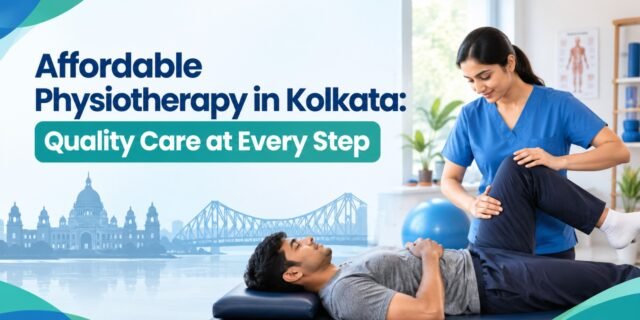
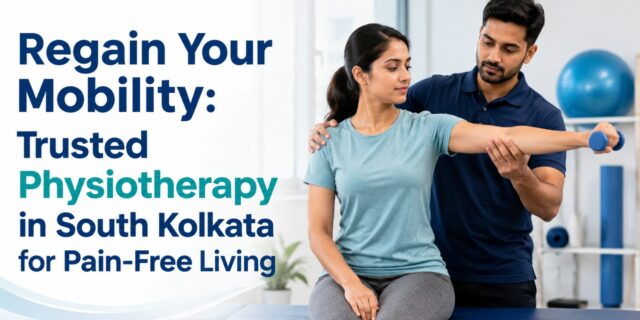
Physiotherapy for sports injuries goes well beyond heat packs and gentle stretching. Treatment typically combines manual therapy to restore joint mobility, soft tissue release to break down adhesions, and electrotherapy (ultrasound or TENS) to reduce swelling and accelerate healing. Dry needling is used for stubborn trigger points that don’t respond to massage. Progressive exercise therapy rebuilds strength and motor control so the body can handle sports-specific loads again. Happy Health Physiocare designs each programme around the athlete’s sport, injury stage, and return-to-play goal, not a generic recovery timeline.
Recovery Tips You Can Start at Home
These four steps support recovery between sessions. Always confirm they are appropriate for your specific injury before starting:
- Rest the right way. Complete rest is rarely needed. Protect the injured area while keeping surrounding muscles active to prevent deconditioning.
- Ice in the first 48 hours. Apply for 15–20 minutes every two hours after acute injury to control swelling. Switch to heat after 72 hours for muscle soreness.
- Elevate when possible. Keep the injured limb elevated above heart level at rest to help drain fluid and reduce throbbing.
- Gentle range-of-motion movement. Slow, pain-free circles or bends (within the range your physio approves) prevent stiffness from setting in.
When to Visit a Physiotherapist
Book a session if any of the following apply:
- Pain doesn’t improve after 5–7 days of rest
- Swelling stays significant beyond 48 hours
- You heard or felt a pop at the time of injury
- The joint gives way or feels unstable under a light load
- Movement is restricted or painful in a way that affects daily activity
Delaying professional assessment often extends total recovery time. Affordable physiotherapy in South Kolkata means there is no practical reason to wait.
Conclusion
Sports injuries heal faster when they’re treated properly from the start. If you’re dealing with pain that’s keeping you off the field or out of the gym, sports injury physiotherapy in South Kolkata gives you a clear, structured path back to full function. Happy Health Physiocare combines clinical assessment with sport-specific rehabilitation so patients return stronger, not just pain-free. Visit happyhealthphysiocare.in or book your consultation today.
FAQs
1: How long does sports injury physiotherapy take in South Kolkata?
Recovery depends on injury severity. Minor sprains often resolve in 4–6 sessions. Ligament or muscle tears may need 8–16 sessions. Your physio will set a realistic timeline at the first assessment.
2: Is physiotherapy in South Kolkata affordable for regular athletes?
Yes. Most physiotherapy clinics in South Kolkata offer per-session pricing without long-term commitments. Happy Health Physiocare provides personalised plans that fit different budgets and recovery goals.
3: Can I continue training during sports injury physiotherapy?
In most cases, modified training is encouraged. Your physio will identify movements that are safe versus those that risk re-injury, so you stay active without slowing down the healing process.